Home / Rural water systems and insulation
Rural water systems and prairie insulation
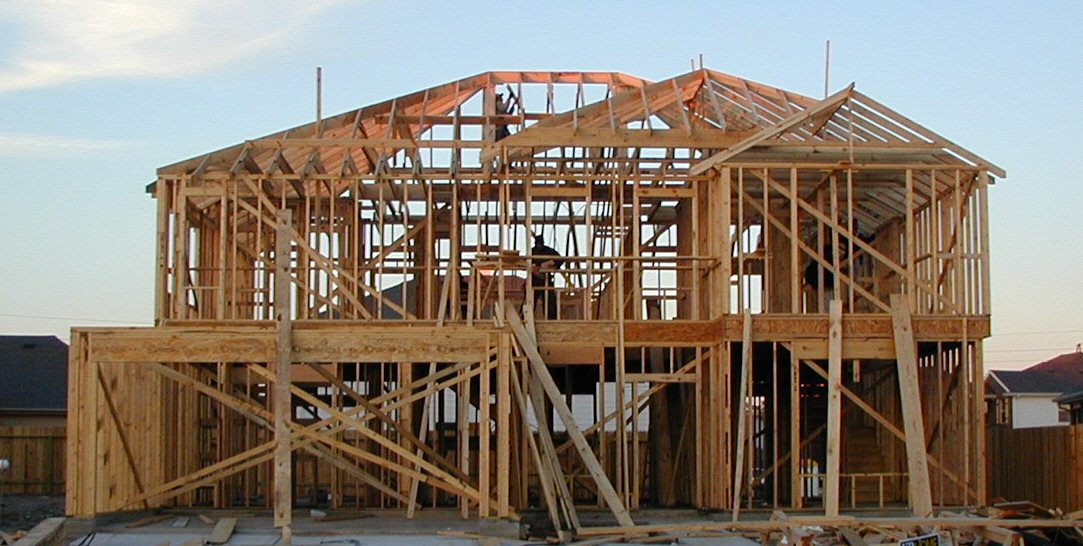
A prairie property often combines two practical realities of rural life: water has to be supplied without a municipal main, and the home has to hold heat through a long, cold winter. This article groups both because they are everyday concerns for the same households on the open plains.
Where rural water comes from
Beyond town limits, prairie homes generally rely on one or a combination of the following sources. The right mix depends on local groundwater, water quality and how much storage a household wants.
- Drilled wells draw groundwater through a pump. Yield and water quality vary widely across the prairies, so testing is part of putting a well into service.
- Cisterns store water in a tank, fed by hauled deliveries or by a well, smoothing out supply for properties with low-yield groundwater.
- Hauled water is delivered by truck into a cistern where on-site sources are limited.
Water testing
Health Canada publishes guidelines for Canadian drinking water quality. For private rural supplies, periodic testing is the way households confirm their water against those guidelines, since private wells are not monitored the way municipal systems are.
Keeping water lines from freezing
In a climate with deep frost, buried water lines are placed below the local frost line, and the well or cistern, pressure equipment and supply lines are protected from freezing. Pump and pressure equipment is commonly housed in a heated space or insulated enclosure.
Insulation for the prairie winter
Continental prairie winters mean a long heating season, so the building envelope does heavy work. Two ideas guide cold-climate insulation here: insulate continuously, and stop air leaks.
Continuous insulation
Heat escapes most where insulation is interrupted, for example where framing members bridge from inside to outside. Adding a layer of continuous insulation across the outside of the framing reduces that thermal bridging and keeps the wall temperature more even.
Air sealing
Uncontrolled air leakage carries heat and moisture through gaps in the envelope. Careful sealing at junctions, penetrations and around windows and doors reduces heat loss and helps keep moisture out of wall cavities, which matters in a climate with a large indoor-to-outdoor temperature difference.
- Treat the air barrier as a continuous system, not a product applied in one spot.
- Pay attention to transitions: wall-to-roof, wall-to-foundation and around openings.
- Follow the National Building Code and provincial energy requirements for the applicable insulation levels.
Insulation and water protection meet at the foundation and service entries, where warm interior air, cold outdoor temperatures and incoming water lines all converge. Detailing those points carefully is what ties the two halves of this article together.
- Reference: Health Canada — Drinking Water
- Reference: Natural Resources Canada — Energy Efficiency for Homes
- Reference: Codes Canada, National Research Council